Puzzle: A Playful Display Font for Eye-Catching Designs
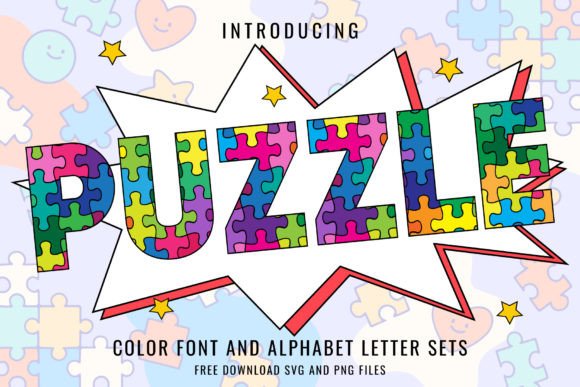
Finding a font that genuinely captures a sense of fun and personality can be a game-changer for a project. It’s the difference between a design that feels generic and one that connects with an audience on a more emotional level. This is where the Puzzle typeface comes in. It’s a playful, casual display font designed to inject a dose of energy and creativity into your work. More than just a collection of letters, it’s a versatile design asset that comes in three distinct styles: a solid black version, a clean outline, and a vibrant color font. This trio of options provides a fantastic foundation for creating designs that truly stand out.
The visual character of Puzzle is defined by its rounded forms and slightly irregular, hand-crafted feel. It avoids the rigidity of many modern sans-serif fonts, instead embracing a friendly and approachable personality. This makes it an incredibly effective tool for projects targeting a younger audience or any context where you want to convey warmth and creativity. Think of it as the typographic equivalent of a friendly smile—it’s inviting, memorable, and puts people at ease. Its strength lies not in quiet professionalism, but in its ability to command attention without shouting.
Where to Unleash the Puzzle Font's Potential
The true value of a creative font like Puzzle is in its application. Its casual, energetic style makes it a perfect fit for a wide range of projects. For entrepreneurs and small business owners, it can be a secret weapon for building a distinctive brand identity, especially for brands that want to be seen as fun, innovative, or kid-friendly.
- Branding and Logo Design: For a children's toy company, a family-friendly bakery, or a creative workshop, the Puzzle font can form the core of a memorable logo. The included black and outline versions are particularly useful here, allowing for versatile applications across different media.
- Packaging and Product Design: Imagine the Puzzle typeface on a box of colorful cereal, a bag of artisanal candy, or a label for a craft supply. Its playful nature immediately communicates the product's fun spirit.
- Editorial and Print Design: While not suited for body text, Puzzle is an excellent choice for headlines, chapter titles, and pull quotes in children's books, magazines, or activity guides. It can also bring a vibrant, personal touch to greeting cards, invitations, and posters.
- Digital and Web Design: Use the Puzzle font for call-to-action buttons, banner ads, or social media graphics that need to pop. It’s a fantastic way to break up the monotony of standard web-safe fonts and add a layer of personality to your digital presence. The color font version is especially powerful for creating standout social media posts that grab attention in a crowded feed.
Practical Guidance for Using the Puzzle Typeface
Integrating a display font like Puzzle into your projects requires a thoughtful approach. Because it has such a strong personality, it’s best used for headlines, titles, and short bursts of text where its character can shine without compromising readability. Using it for long paragraphs would be a mistake, as its playful details can become tiring to the eye over extended reading.
A crucial aspect of modern typography is font pairing. The Puzzle typeface pairs beautifully with simple, clean sans-serif or serif fonts for body copy. A neutral font like Lato, Montserrat, or even a classic serif like Garamond can provide a stable, readable foundation that allows the headline set in Puzzle to stand out. This contrast creates a clear visual hierarchy, guiding the reader's eye exactly where you want it to go. When you test pairings, consider the overall mood: Puzzle with a clean sans-serif feels modern and playful, while pairing it with a gentle serif can create a more whimsical, storybook-like feel.
Another key consideration is the file format. The package includes the black version of the font as a standard OTF/TTF, which is compatible with a wide range of software, including cutting machines like Cricut Design Space. This makes it a great choice for crafters creating t-shirts, stickers, and custom decals. However, the color font version has specific requirements. To use the vibrant, multi-colored version, you’ll need a design program that supports this advanced feature, such as Adobe Photoshop, Illustrator, or Silhouette Studio. It’s important to note that the color font files are not compatible with Cricut. Always check your software's capabilities before you begin to ensure a smooth creative process. For those new to this technology, a resource like an Ultimate Font Guide can be invaluable for understanding how to best use these premium font assets.
Ultimately, the Puzzle font is more than just a design asset; it's a tool for expression. It’s for the designer who wants to create a brand identity that feels authentic and fun. It’s for the marketer crafting a campaign that needs to cut through the noise. And it’s for the hobbyist who simply wants to make something beautiful and full of personality. By understanding its strengths and applying it thoughtfully, you can use the Puzzle typeface to create designs that don’t just look good, but also tell a compelling and joyful story.