Dreaming College: A Playful Font for Creative Projects
Finding the right display font can feel like searching for a missing puzzle piece. You need something with personality that doesn't overshadow your message. Enter Dreaming College, a playful display typeface designed to inject energy and approachability into a wide range of projects. It’s not just another decorative font; it’s a versatile design asset built for makers, marketers, and creators who need reliable, stylish typography without the steep learning curve. This article explores its character, ideal applications, and practical considerations for your next project.
Visual Character and Style
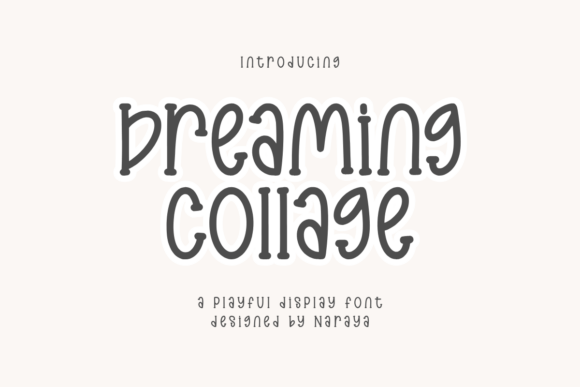
Dreaming College presents a friendly, rounded aesthetic that feels both modern and nostalgic. Its letterforms are clean and legible, featuring soft curves and a consistent baseline that gives it a stable, welcoming appearance. Unlike a stark sans serif font, it carries a subtle handmade quality, avoiding the rigidity of pure geometry. Think of it as the charming middle ground between a structured serif font and a loose script font. The overall personality is optimistic, creative, and slightly retro, making it a strong candidate for brands that want to feel authentic and engaging rather than corporate.
The typeface shines in its ability to maintain clarity even at larger sizes where display fonts often falter. Its open counters and balanced spacing ensure that individual characters remain distinct. This is a crucial trait for a creative font intended for headlines, logos, and short bursts of text where immediate recognition is key. It avoids the overly whimsical look that can date quickly, leaning instead into a timeless playfulness suitable for long-term brand identity work.
Where Dreaming College Truly Works
The practical strength of a display font lies in its application. Dreaming College is exceptionally versatile, bridging the gap between digital and physical media.
Digital and Branding: For entrepreneurs and small business owners, this typeface is a powerhouse for logo design. Its distinct shape ensures high recall value, helping a brand stand out in a crowded marketplace. It is equally effective for social media graphics, where quick visual impact is necessary to stop the scroll. Use it for Instagram quotes, Pinterest pins, or YouTube thumbnails to establish a consistent and energetic visual voice. In web design, it serves perfectly for hero section headlines or call-to-action buttons, guiding the user’s eye with a friendly nudge.
Marketing and Editorial: In publishing and editorial design, Dreaming College can break the monotony of long-form text. It works well for chapter titles, pull quotes, or magazine headers, adding a layer of visual interest that complements body text set in a neutral sans serif. Marketers can leverage its friendly vibe for email subject lines, newsletter headers, or promotional flyers, ensuring the material feels approachable rather than sales-driven.
Crafting and Physical Products: For the crafting community, particularly those using cutting machines like Cricut or Silhouette, the font’s clean paths are a significant advantage. It cuts cleanly, making it ideal for vinyl decals, planner stickers, and custom apparel. The playful nature of Dreaming College makes it a natural fit for packaging design, especially for products targeting younger demographics or lifestyle markets, such as artisanal goods, children’s clothing, or stationery.
Strategic Impact on Design and Brand Perception
Typography is a silent ambassador for your brand. Choosing Dreaming College influences how your audience perceives your message before they even read the words. By using this typeface, you signal creativity, openness, and a lack of pretension. This can be particularly effective for businesses trying to build a community-focused brand identity.
However, effective use requires an understanding of visual hierarchy. Because Dreaming College is a display font, it demands attention. It should be reserved for headlines, sub-headers, or short labels. Pairing it correctly is essential to maintain professionalism. A common and effective strategy is to combine it with a highly legible serif font or a clean sans serif font for body copy. For example, pairing Dreaming College with a geometric sans serif like Montserrat or a classic serif like Lora creates a balanced hierarchy that feels both professional and fresh. This contrast prevents the design from feeling cluttered while allowing the headline font to express the brand’s personality.
Practical Guidance for Implementation
Before integrating any premium font into your workflow, a few practical checks are necessary to ensure a smooth creative process.
- Evaluate Project Fit: Assess the tone of your project. Dreaming College excels in casual, creative, and lifestyle contexts. It may not be the best choice for highly formal legal documents or ultra-minimalist corporate reports, but it is perfect for anything requiring a human touch.
- Test Font Pairings: Spend time testing combinations. Place the font next to your chosen body text to check for x-height compatibility and stylistic harmony. Does the weight of the display font overpower the body text? Adjust sizing until the hierarchy feels natural.
- Review Included Styles: A robust font family often includes alternates, ligatures, or different weights. Explore these features. Swapping a standard letter for an alternate can customize the look further, making your logo or header feel truly unique.
- Readability Check: Always test readability at the intended size. A font that looks great at 50 pixels might lose legibility at 12 pixels. Ensure that the specific application—whether a mobile screen or a small sticker—supports the font's intricate details.
- Commercial Licensing: Finally, verify the license. If you are using Dreaming College for client work, merchandise, or products for sale, ensure you have the appropriate commercial license. This protects your business and respects the work of the type designers.
In summary, Dreaming College is more than just a playful display font; it is a strategic design tool. Its ability to blend approachability with modern style makes it a valuable addition to any designer’s toolkit, capable of elevating everything from social media campaigns to physical product lines.